
Rollers4Clay
A clay roller is a carved texture tool you roll across soft clay, leaving a continuous, seamless pattern behind it. We’ve been making clay texture rollers since 2003, and we carve each one in our own production facility. None of it is contracted out. A single pass gives you an even, repeating pattern, which is why you can find our rollers in so many studios.
For slabs, set the roller at one edge and roll across the surface in one steady pass, keeping even pressure so the pattern stays consistent from edge to edge. For a long, smooth roll, check out the MKM Roller Board.
For thrown pots, throw a cylinder and then use a flat edge rib to clean off the extra slip. Dip the roller in water, and again whenever the clay starts to stick. With one hand supporting the wall from inside, roll it along the outside of the pot. Depending on the design, you can roll it vertically up the pot or horizontally around it.
Choosing the Right Size
We make rollers in a lot of sizes. Start here and then follow the link to the one that fits your work:
Hand Rollers
- Big Hand Roller (BHR), 12 cm: the one that works for most pieces, and the size with the most designs. It works well on both slabs and thrown pots.
- Long Hand Roller (LHR), 20 cm: covers more ground in a single pass so it’s the one to grab for larger slabs.
- Hand Roller (HR), 10 cm: a comfortable everyday size for smaller pieces and light enough to roll up the sides of thrown pieces.
- Twig (TW) 7.5cm: our smallest hand roller for ornaments, jewelry, beads, buttons, and fine details.
Handled Rollers
Handled rollers are used with a handle which lets them reach places a hand roller can’t. The RH-1 handle fits the RL, RM, and RS rollers. The RH-2 handle fits the mini rollers. The RH-3 fits the GM and GS texture wheels, along with the Steve Tool textured wheel groups.
- Large Handle Roller (RL), 6 cm: our best selling handled roller and the one with the most designs. it’s great for long, smooth rolls on slabs.
- Medium Handle Roller (RM) 3 cm: Good for accents and rolling designs onto thrown pieces.
- Small Handle Roller (RS) 1.5 cm: Ideal for adding detailed borders.
- Mini rollers (MRL, MRX, MRS): Perfect for rims, accents, and detail work.
- Medium Texture Wheel (GM) 3 cm: Designed to be held easily in one hand to use on thrown pots, and it can add texture all the way down to where the clay meets the bat.
- Small Texture Wheel (GS) 1.5 cm: Also easy to use one-handed, and ideal for texturing rims and flanges.
Ways to Use Handled Rollers:
A handle can be easier on the hands for potters with arthritis or hand fatigue. They also help students and kids keep steady pressure. Try one for:
- A level band of texture around the belly or shoulder of a pot while the wheel turns slowly.
- Flanges, the area just above the foot, or the inside rim of platters.
- Strips and coils you’ll attach as handles or decorative bands.
- Borders on slab plates, trays, and tiles.
Patterns and Designs
There’s a lot to choose from, everything from geometric repeats to organic and botanical textures. Every design is created by our own team, so browse the collection and see which ones fit your pots and your style.
Texture also changes how your glaze looks. Celadons and other transparent glazes pool in the recesses and thin out over high points so the pattern shows up even more after firing. You can also try a Mishima-style inlay: roll the pattern, brush underglaze or slip into the carved inlays, then scrape the surface back.
Built to Last
Every Big Hand Roller is CNC-carved from solid hardwood blanks. We never laser cut our patterns. Laser carving would be faster but it burns a straight, sharp wall into the wood that doesn’t release easily from the clay, tugging up the edges of the design. Our deep carving creates a beveled edge on the roller that compresses the clay as it rolls, so the pattern presses in boldly and the roller lifts away cleanly, with no dragged or torn edges. The wood is finished to protect it from water and allow it to withstand years of studio work.
FAQs
Can I use a clay roller on a thrown pot, not just a slab?
Both!. Support the wall from behind and roll with light, even pressure so the form keeps its shape.
How do I keep the pattern even across the slab?
Roll in one steady pass with consistent pressure; practice on a test slab first to find your speed. Pair the hand rollers with the MKM Roller Board for long, seamless rolls.
How do I take care of it?
After use, rinse it off and let it dry. A soft brush or old toothbrush clears clay out of the grooves. The finish on the wood protects the roller.
SHOP NOW
Ready to add clean, repeatable texture to your work? Shop MKM clay rollers and choose the size that fits your studio.
Showing all 618 results
-
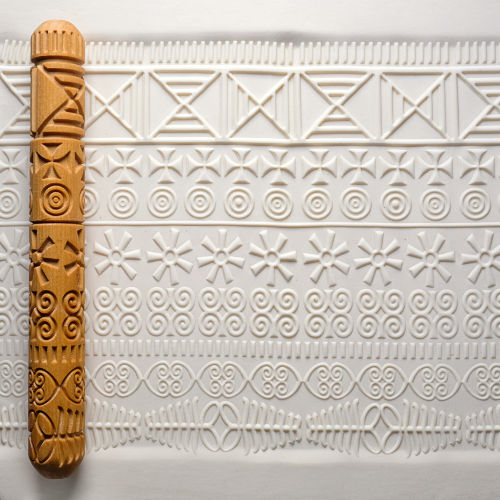
Adinkra Tapestry Long Hand Roller, LHR-048
$29.95 Add to cart -
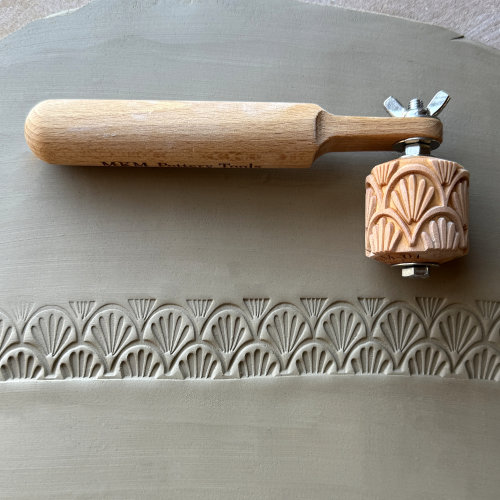
Art Nouveau Medium Texture Wheel for Clay | GM-001
Price range: $14.95 through $25.00 Select options This product has multiple variants. The options may be chosen on the product page -
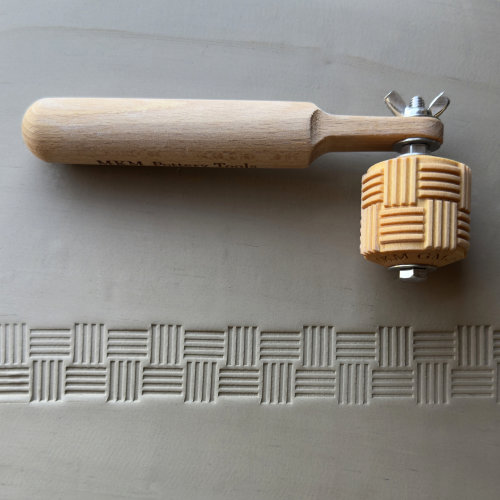
Basket Weave Medium Texture Wheel for Clay | GM-007
Price range: $14.95 through $25.00 Select options This product has multiple variants. The options may be chosen on the product page -

BHR-001 Big Hand Roller – Diagonal Basketweave
$20.95 Add to cart -

BHR-002 Big Hand Roller – Zigzag
$20.95 Add to cart -

BHR-003 Big Hand Roller – Sea Turtles
$20.95 Add to cart -

BHR-004 Big Hand Roller – Fern Leaves
$20.95 Add to cart -

BHR-005 Big Hand Roller – Fleur-de-lis
$20.95 Add to cart -

BHR-006 Big Hand Roller – Lines and Dots
$20.95 Add to cart -

BHR-007 Big Hand Roller – Daisies
$20.95 Add to cart -

BHR-008 Big Hand Roller – Maple Leaves
$20.95 Add to cart -

BHR-009 Big Hand Roller – Swirling Leaves
$20.95 Add to cart -

BHR-010 Big Hand Roller – Curlicue
$20.95 Add to cart -

BHR-011 Big Hand Roller – Big Woven
$20.95 Add to cart -

BHR-012 Big Hand Roller – Small Leaves
$20.95 Add to cart -

BHR-013 Big Hand Roller – Stars & Moon
$20.95 Add to cart -

BHR-014 Big Hand Roller – Flying Swallows
$20.95 Add to cart -

BHR-015 Big Hand Roller – Rattan Weave
$20.95 Add to cart -

BHR-016 Big Hand Roller – Origami
$20.95 Add to cart -

BHR-017 Big Hand Roller – Salmon Run
$20.95 Add to cart -

BHR-019 Big Hand Roller – Apple Pie
$20.95 Add to cart -

BHR-020 Big Hand Roller – Big Wave
$20.95 Add to cart -

BHR-021 Big Hand Roller – Saguaro Paradise
$20.95 Add to cart -

BHR-022 Big Hand Roller – Pacific NW Eagle 2
$20.95 Add to cart -

BHR-023 Big Hand Roller – Dragonflies
$20.95 Add to cart -

BHR-025 Big Hand Roller – Crazy Wicker Weave
$20.95 Add to cart -

BHR-026 Big Hand Roller – Paisley Party
$20.95 Add to cart -

BHR-027 Big Hand Roller – Origami Zigzag
$20.95 Add to cart -

BHR-028 Big Hand Roller – Big Circles
$20.95 Add to cart -

BHR-029 Big Hand Roller – Endless Orchid
$20.95 Add to cart -

BHR-030 Big Hand Roller – Muir’s Mountains
$20.95 Add to cart -

BHR-031 Big Hand Roller – Boogie Woogie
$20.95 Add to cart -

BHR-032 Big Hand Roller – Cascade Peak
$20.95 Add to cart -

BHR-033 Big Hand Roller – Snowflakes
$20.95 Add to cart -

BHR-034 Big Hand Roller – American Quilt
$20.95 Add to cart -

BHR-035 Big Hand Roller – Butterflies
$20.95 Add to cart -

BHR-037 Big Hand Roller – Feathers
$20.95 Add to cart -

BHR-038 Big Hand Roller – Floral Fun
$20.95 Add to cart -

BHR-039 Big Hand Roller – Feathers 2
$20.95 Add to cart -

BHR-040 Big Hand Roller – Wavy Abstract
$20.95 Add to cart -

BHR-041 Big Hand Roller – Chinese Windows
$20.95 Add to cart -

BHR-042 Big Hand Roller – Steampunk
$20.95 Add to cart -

BHR-043 Big Hand Roller – Rolling Waves Horizontal
$20.95 Add to cart -

BHR-044 Big Hand Roller – Hearts
$20.95 Add to cart -

BHR-045 Big Hand Roller – Arabian Tile
$20.95 Add to cart -

BHR-046 Big Hand Roller – Flowers
$20.95 Add to cart -

BHR-047 Big Hand Roller – Funky Spiral
$20.95 Add to cart -

BHR-048 Big Hand Roller – Stormy Seas Vertical
$20.95 Add to cart -

BHR-050 Big Hand Roller – Labyrinth 02
$20.95 Add to cart -

BHR-051 Big Hand Roller – Zig Zag Spiral
$20.95 Add to cart -

BHR-052 Big Hand Roller – Chrysanthemum
$20.95 Add to cart -

BHR-053 Big Hand Roller – Rain Forest
$20.95 Add to cart -

BHR-054 Big Hand Roller – Vines
$20.95 Add to cart -

BHR-055 Big Hand Roller – Spiral Dance
$20.95 Add to cart -

BHR-056 Big Hand Roller – Dragon Flame
$20.95 Add to cart -

BHR-057 Big Hand Roller – Triangles
$20.95 Add to cart -

BHR-058 Big Hand Roller – Honeycomb
$20.95 Add to cart -

BHR-059 Big Hand Roller – Dragon
$20.95 Add to cart -

BHR-060 Big Hand Roller – Zagalicious
$20.95 Add to cart -

BHR-061 Big Hand Roller – Fire & Water
$20.95 Add to cart -

BHR-062 Big Hand Roller – Peacock Nouveau
$20.95 Add to cart -

BHR-063 Big Hand Roller – Flight
$20.95 Add to cart -

BHR-064 Big Hand Roller – Rhomboid
$20.95 Add to cart -

BHR-065 Big Hand Roller – Stars
$20.95 Add to cart -

BHR-066 Big Hand Roller – Simple Hearts
$20.95 Add to cart -

BHR-067 Big Hand Roller – Splash
$20.95 Add to cart -

BHR-068 Big Hand Roller – Very Organized Leave
$20.95 Add to cart -

BHR-069 Big Hand Roller – Nouveau Ginkgo
$20.95 Add to cart -

BHR-070 Big Hand Roller – Art Nouveau Leaf Pattern
$20.95 Add to cart -

BHR-071 Big Hand Roller – Blooming Chrysanthemum
$20.95 Add to cart -

BHR-072 Big Hand Roller – Horizontal Zigzag
$20.95 Add to cart -

BHR-073 Big Hand Roller – Wacky Weave
$20.95 Add to cart -

BHR-074 Big Hand Roller – Vertical Zigzag
$20.95 Add to cart -

BHR-075 Big Hand Roller – Celtic Tree of Knowledge
$20.95 Add to cart -

BHR-076 Big Hand Roller – Maori Spirals
$20.95 Add to cart -

BHR-077 Big Hand Roller – Beautiful Symmetry
$20.95 Add to cart -

BHR-078 Big Hand Roller – Squares
$20.95 Add to cart -

BHR-079 Big Hand Roller – Psychedelic Wave
$20.95 Add to cart -

BHR-080 Big Hand Roller – Loopy Nouveau
$20.95 Add to cart -

BHR-081 Big Hand Roller – Curlier
$20.95 Add to cart -

BHR-082 Big Hand Roller – Sedimentary Layers
$20.95 Add to cart -

BHR-083 Big Hand Roller – Flowers and Leaves
$20.95 Add to cart -

BHR-084 Big Hand Roller – River of Rice
$20.95 Add to cart -

BHR-085 Big Hand Roller – Beautiful Symmetry Fine Line
$20.95 Add to cart -

BHR-086 Big Hand Roller – Layers of Rock
$20.95 Add to cart -

BHR-087 Big Hand Roller – Leaf Pattern
$20.95 Add to cart -

BHR-088 Big Hand Roller – Sedimentary Layers 2
$20.95 Add to cart -

BHR-089 Big Hand Roller – Tri-Leaf
$20.95 Add to cart -

BHR-090 Big Hand Roller – Deco Fans
$20.95 Add to cart -

BHR-091 Big Hand Roller – Spring Beauty
$20.95 Add to cart -

BHR-092 Big Hand Roller – Wave Flow
$20.95 Add to cart -

BHR-093 Big Hand Roller – Jungle Foliage
$20.95 Add to cart -

BHR-094 Big Hand Roller – Bed of Leaves
$20.95 Add to cart -

BHR-095 Big Hand Roller – Curly Vines
$20.95 Add to cart -

BHR-096 Big Hand Roller – Lines and Spaces
$20.95 Add to cart -

BHR-097 Big Hand Roller – Geometric Flower Pattern
$20.95 Add to cart -

BHR-098 Big Hand Roller – Quilt Pattern
$20.95 Add to cart -

BHR-099 Big Hand Roller – Cracked Glass
$20.95 Add to cart -

BHR-101 Big Hand Roller – Cobblestone
$20.95 Add to cart -

BHR-102 Big Hand Roller – Field Pattern
$20.95 Add to cart -

BHR-103 Big Hand Roller – Sweater Knit Stitch
$20.95 Add to cart -

BHR-104 Big Hand Roller – Winter Woods
$20.95 Add to cart -

BHR-105 Big Hand Roller – Spiral Vine
$20.95 Add to cart -

BHR-106 Big Hand Roller – Deco Fan
$20.95 Add to cart -

BHR-107 Big Hand Roller – Circuit Board
$20.95 Add to cart -

BHR-108 Big Hand Roller – Large Fern
$20.95 Add to cart -

BHR-109 Big Hand Roller – Sweater Cable Stitch
$20.95 Add to cart -

BHR-110 Big Hand Roller – Mountain Reflection
$20.95 Add to cart -

BHR-111 Big Hand Roller – Spring Awakening
$20.95 Add to cart -

BHR-112 Big Hand Roller – Reindeer Christmas
$20.95 Add to cart -

BHR-113 Big Hand Roller – Elephant
$20.95 Add to cart -

BHR-114 Big Hand Roller – Feather Pattern
$20.95 Add to cart -

BHR-115 Big Hand Roller – Lightning Storm
$20.95 Add to cart -

BHR-116 Big Hand Roller – Feathers
$20.95 Add to cart -

BHR-117 Big Hand Roller – Shooting Stars
$20.95 Add to cart -

BHR-118 Big Hand Roller – Lotus Flower Buds
$20.95 Add to cart -

BHR-119 Big Hand Roller – Large Lotus Buds
$20.95 Add to cart -

BHR-120 Big Hand Roller – Flock of Birds
$20.95 Add to cart -

BHR-121 Big Hand Roller – Mountain Wind
$20.95 Add to cart -

BHR-122 Big Hand Roller – Flower Buds
$20.95 Add to cart -

BHR-123 Big Hand Roller – Geometric Daisies
$20.95 Add to cart -

BHR-124 Big Hand Roller – Clouds
$20.95 Add to cart -

BHR-125 Big Hand Roller – River Stone
$20.95 Add to cart -

BHR-126 Big Hand Roller – Supernova
$20.95 Add to cart -

BHR-127 Big Hand Roller – Zeppelin over San Francisco
$20.95 Add to cart -

BHR-128 Big Hand Roller – Alien Invasion
$20.95 Add to cart -

BHR-129 Big Hand Roller – Scallop Shells
$20.95 Add to cart -

BHR-132 Big Hand Roller – Mod Drops
$20.95 Add to cart -

BHR-133 Big Hand Roller – Ocean Waves
$20.95 Add to cart -

BHR-134 Big Hand Roller – Koi Pond
$20.95 Add to cart -

BHR-135 Big Hand Roller – Diamonds in Circles
$20.95 Add to cart -

BHR-136 Big Hand Roller – Spring Flowers
$20.95 Add to cart -

BHR-137 Big Hand Roller – Wavy Lines
$20.95 Add to cart -

BHR-138 Big Hand Roller – Spiral Wind
$20.95 Add to cart -

BHR-139 Big Hand Roller – Horizontal Lines
$20.95 Add to cart -

BHR-140 Big Hand Roller – Running Horses
$20.95 Add to cart -

BHR-141 Big Hand Roller – Waves
$20.95 Add to cart -

BHR-142 Big Hand Roller – Basket Weave
$20.95 Add to cart -

BHR-143 Big Hand Roller – Layered Lines
$20.95 Add to cart -

BHR-144 Big Hand Roller – Small Snowflakes
$20.95 Add to cart -

BHR-145 Big Hand Roller – Hibiscus Flowers
$20.95 Add to cart -

BHR-146 Big Hand Roller – Citrus Slices
$20.95 Add to cart -

BHR-147 Big Hand Roller – Coneflower
$20.95 Add to cart -

BHR-148 Big Hand Roller – Vertical Layered Lines
$20.95 Add to cart -

BHR-150 Big Hand Roller – Evergreen Forest
$20.95 Add to cart -

BHR-151 Big Hand Roller – Flamingos
$20.95 Add to cart -

BHR-152 Big Hand Roller – Rain
$20.95 Add to cart -

BHR-154 Big Hand Roller – Layered Leaves
$20.95 Add to cart -

BHR-155 Big Hand Roller – Topographic
$20.95 Add to cart -

BHR-156 Big Hand Roller – Mountain View
$20.95 Add to cart -

BHR-157 Big Hand Roller – Poppy Fields
$20.95 Add to cart -

BHR-158 Big Hand Roller – Zigzag Layered
$20.95 Add to cart -

BHR-159 Big Hand Roller – Plum Blossoms
$20.95 Add to cart -

BHR-160 Big Hand Roller – Wandering Waves
$20.95 Add to cart -

BHR-161 Big Hand Roller – Dots
$20.95 Add to cart -

BHR-162 Big Hand Roller – North Shore Waves
$20.95 Add to cart -

BHR-163 Big Hand Roller – City Street
$20.95 Add to cart -

BHR-164 Big Hand Roller – Zig Zag Knit Stitch
$20.95 Add to cart -

BHR-165 Big Hand Roller – Zebra Grid
$20.95 Add to cart -

BHR-166 Big Hand Roller – Mountain Forest
$20.95 Add to cart -

BHR-167 Big Hand Roller – Wishbone
$20.95 Add to cart -

BHR-168 Big Hand Roller – Field of Sunflowers
$20.95 Add to cart -

BHR-169 Big Hand Roller – Hexagon Maze
$20.95 Add to cart -

BHR-170 Big Hand Roller – School of Fish
$20.95 Add to cart -

BHR-171 Big Hand Roller – Knit Stitch
$20.95 Add to cart -
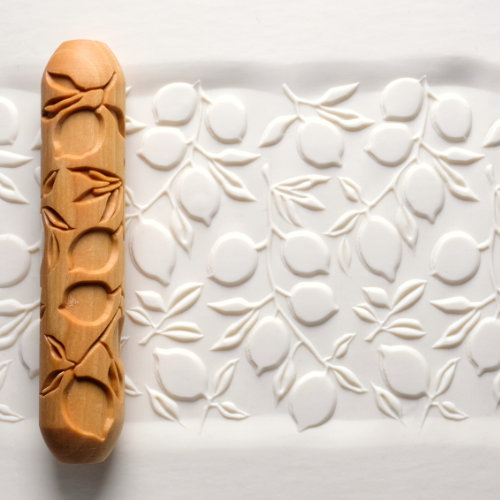
BHR-172 Big Hand Roller – Lemon Branch
$20.95 Add to cart -
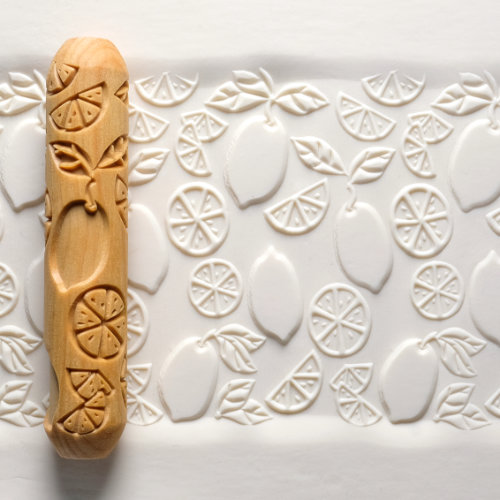
BHR-173 Big Hand Roller – Lemonade
$20.95 Add to cart -
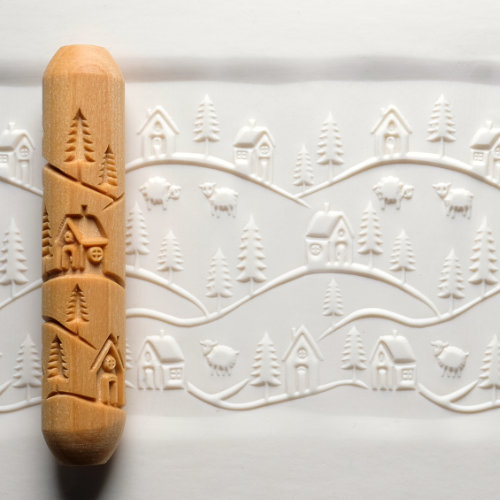
BHR-174 Big Hand Roller – Norwegian Village
$20.95 Add to cart -
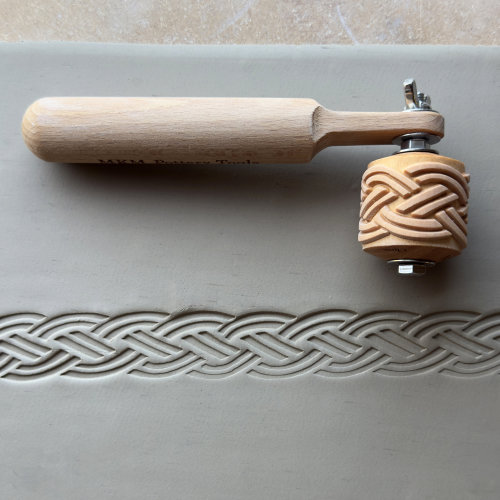
Braid Medium Texture Wheel for Clay | GM-015
Price range: $14.95 through $25.00 Select options This product has multiple variants. The options may be chosen on the product page -
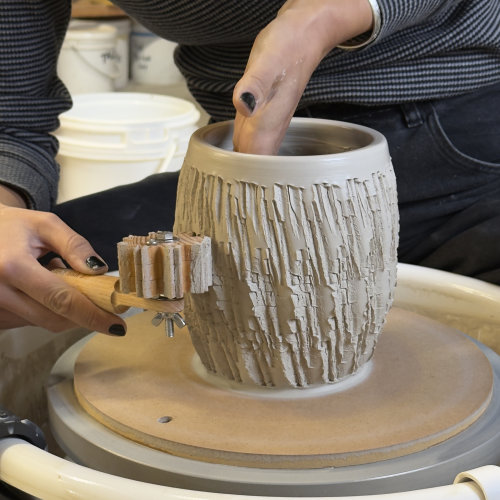
Canyon Wall Clay Texture Wheel Set | The Steve Tool 2 GG-06
Price range: $18.95 through $24.95 Select options This product has multiple variants. The options may be chosen on the product page -
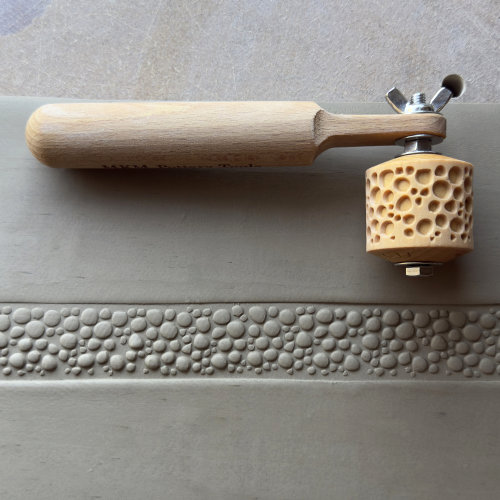
Cobbles Medium Texture Wheel for Clay | GM-011
Price range: $14.95 through $25.00 Select options This product has multiple variants. The options may be chosen on the product page -
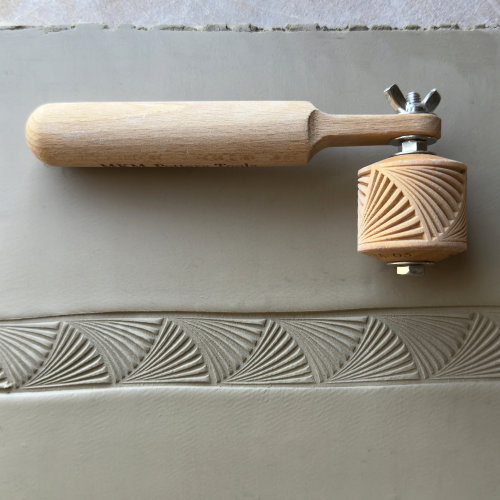
Deco Fans Medium Texture Wheel for Clay | GM-005
Price range: $14.95 through $25.00 Select options This product has multiple variants. The options may be chosen on the product page -
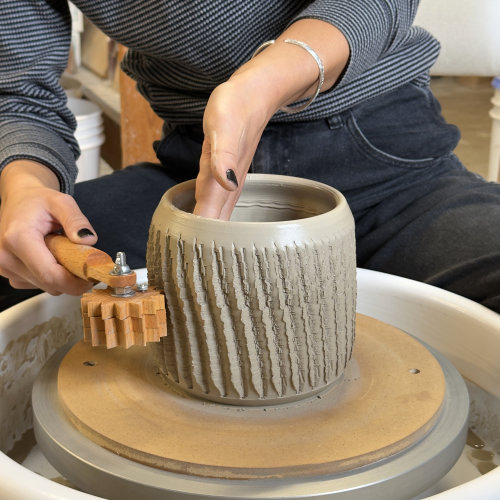
Deep Ridges Clay Texture Wheel Set | The Steve Tool 2 GG-01
Price range: $18.95 through $24.95 Select options This product has multiple variants. The options may be chosen on the product page -
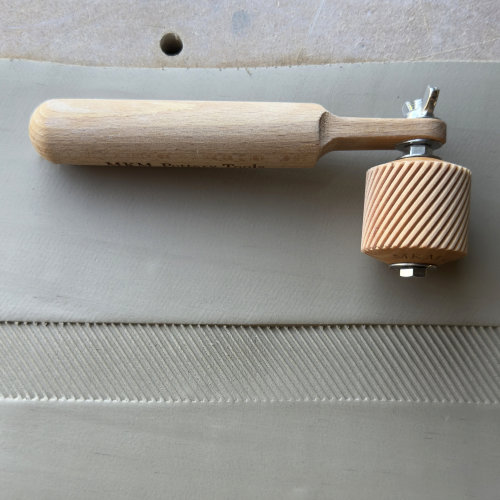
Diagonal Lines Medium Texture Wheel for Clay | GM-012
Price range: $14.95 through $25.00 Select options This product has multiple variants. The options may be chosen on the product page -
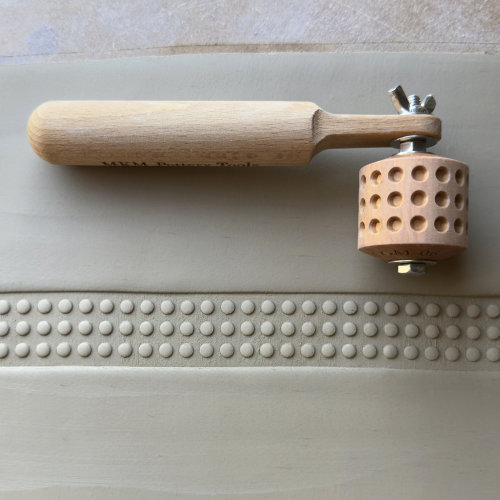
Dots Medium Texture Wheel for Clay | GM-006
Price range: $14.95 through $25.00 Select options This product has multiple variants. The options may be chosen on the product page -
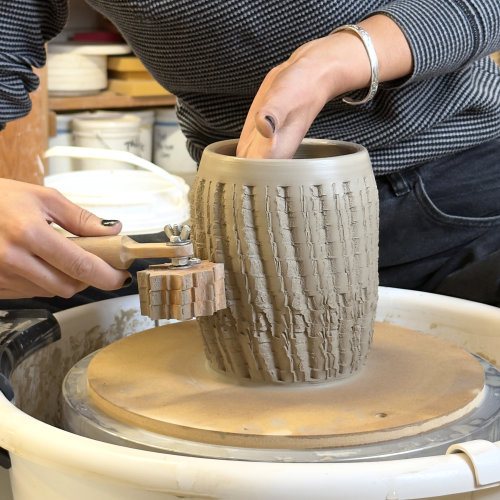
Feathered Ridges Clay Texture Wheel Set | The Steve Tool 2 GG-03
Price range: $18.95 through $24.95 Select options This product has multiple variants. The options may be chosen on the product page -
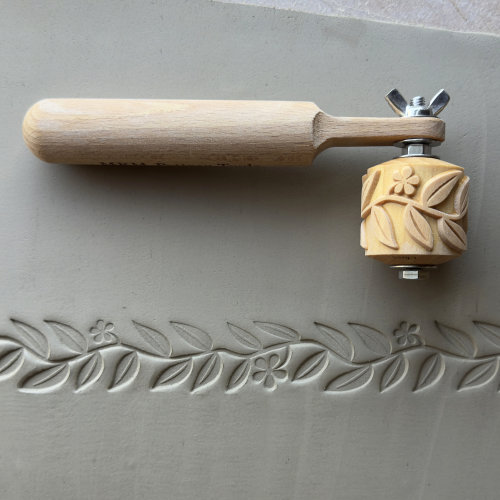
Flowers and Leaves Medium Texture Wheel for Clay | GM-013
Price range: $14.95 through $25.00 Select options This product has multiple variants. The options may be chosen on the product page -

FR-001 Finger Roller – Dots
$12.95 Add to cart -

FR-002 Finger Roller – Square
$12.95 Add to cart -

FR-003 Finger Roller – Triangle
$12.95 Add to cart -

FR-004 Finger Roller – Fancy Zigzag
$12.95 Add to cart -

FR-005 Finger Roller – Rope
$12.95 Add to cart -

FR-006 Finger Roller – Daisy
$12.95 Add to cart -

FR-007 Finger Roller -Twine
$12.95 Add to cart -

FR-008 Finger Roller – Stars
$12.95 Add to cart -

FR-009 Finger Roller – Braid
$12.95 Add to cart -

FR-010 Finger Roller – Vine with Leaves and Flowers
$12.95 Add to cart -

FR-011 Finger Roller – Greek Key Square
$12.95 Add to cart -

FR-012 Finger Roller – Greek Key Spiral
$12.95 Add to cart -

FR-013 Finger Roller – Waves
$12.95 Add to cart -

FR-014 Finger Roller – Zip Zap
$12.95 Add to cart -

FR-015 Finger Roller – Geometric
$12.95 Add to cart -

FR-016 Finger Roller – Arrowhead
$12.95 Add to cart -

FR-017 Finger Roller – Bar Code
$12.95 Add to cart -

FR-018 Finger Roller – Double V
$12.95 Add to cart -

FR-019 Finger Roller – Zigzag Dots
$12.95 Add to cart -

FR-020 Finger Roller – Lines and Dots
$12.95 Add to cart -

FR-021 Finger Roller – Row of Dots
$12.95 Add to cart -

FR-022 Finger Roller – Zipper
$12.95 Add to cart -

FR-023 Finger Roller – Footprints
$12.95 Add to cart -

FR-024 Finger Roller – Dog Paw Prints
$12.95 Add to cart -

FR-025 Finger Roller – Bike Tread
$12.95 Add to cart -

FR-026 Finger Roller – Recessed Dots
$12.95 Add to cart -
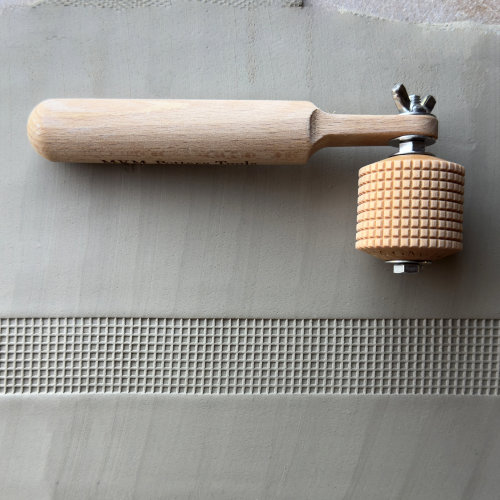
Grid Medium Texture Wheel for Clay | GM-014
Price range: $14.95 through $25.00 Select options This product has multiple variants. The options may be chosen on the product page -

HR-001 HandRoller – Diagonal Ridges
$16.95 Add to cart -

HR-002 HandRoller – Vertical Lines
$16.95 Add to cart -

HR-003 HandRoller – Scallop Art Deco
$16.95 Add to cart -

HR-004 HandRoller – Horizontal Lines
$16.95 Add to cart -

HR-005 Hand Roller – Bubbles
$16.95 Add to cart -

HR-006 HandRoller – Zig Zag
$16.95 Add to cart -

HR-007 HandRoller – Braids
$16.95 Add to cart -

HR-008 HandRoller – Frost
$16.95 Add to cart -

HR-009 HandRoller – Curlicue
$16.95 Add to cart -

HR-010 HandRoller – Cobbles
$16.95 Add to cart -

HR-011 HandRoller – Tri Spirals
$16.95 Add to cart -

HR-012 HandRoller – Dots
$16.95 Add to cart -

HR-013 HandRoller – Starburst
$16.95 Add to cart -

HR-014 HandRoller – Leaves
$16.95 Add to cart -

HR-015 HandRoller – Crosshatch
$16.95 Add to cart -

HR-016 HandRoller – Diamonds
$16.95 Add to cart -

HR-017 HandRoller – Ferns
$16.95 Add to cart -

HR-018 HandRoller – Zebra
$16.95 Add to cart -

HR-019 HandRoller – Basket Weave 1
$16.95 Add to cart -

HR-020 HandRoller – Diagonal
$16.95 Add to cart -

HR-021 HandRoller – Blocks
$16.95 Add to cart -

HR-022 HandRoller – Small Blocks
$16.95 Add to cart -

HR-023 HandRoller – Basket Weave 2
$16.95 Add to cart -

HR-024 HandRoller – Fine Basket Weave
$16.95 Add to cart -

HR-025 HandRoller – Fleur-de-lis
$16.95 Add to cart -

HR-026 HandRoller – Dots & Lines
$16.95 Add to cart -

HR-027 HandRoller – Daisy
$16.95 Add to cart -

HR-028 HandRoller – Galactic Spiral
$16.95 Add to cart -

HR-029 HandRoller – Big Spiral
$16.95 Add to cart -

HR-030 HandRoller – Square Pop Art
$16.95 Add to cart -

HR-031 HandRoller – Sunburst
$16.95 Add to cart -

HR-032 HandRoller – Sea Turtles
$16.95 Add to cart -

HR-033 HandRoller – Skulls
$16.95 Add to cart -

HR-034 HandRoller – Flying Bats
$16.95 Add to cart -

HR-035 HandRoller – Maple Leaves
$16.95 Add to cart -

HR-036 HandRoller – Stars & Moons
$16.95 Add to cart -

HR-037 HandRoller – Wishbone Weave
$16.95 Add to cart -

HR-040 HandRoller – Palmetto Garden
$16.95 Add to cart -

HR-041 HandRoller – Tropical Beach
$16.95 Add to cart -

HR-042 HandRoller – Laura’s Flora
$16.95 Add to cart -

HR-043 HandRoller – Sardine Marine
$16.95 Add to cart -

HR-045 HandRoller – Swooping Swallows
$16.95 Add to cart -

HR-047 HandRoller – Flowing Waters
$16.95 Add to cart -

HR-048 HandRoller – Salmon Run
$16.95 Add to cart -

HR-049 HandRoller – Saguaro Paradise
$16.95 Add to cart -

HR-050 HandRoller – Falling Leaves
$16.95 Add to cart -

HR-051 HandRoller – Crazy Wicker
$16.95 Add to cart -

HR-052 HandRoller – Dragonfly Party
$16.95 Add to cart -

HR-053 HandRoller – Wild and Crazy
$16.95 Add to cart -

HR-054 HandRoller – Stone Wall
$16.95 Add to cart -

HR-055 HandRoller – Umbrella’s
$16.95 Add to cart -

HR-056 HandRoller – Fish Scales
$16.95 Add to cart -

HR-057 HandRoller – Lone Peak
$16.95 Add to cart -

HR-058 HandRoller – Dots
$16.95 Add to cart -

HR-059 HandRoller – Dancing
$16.95 Add to cart -

HR-060 HandRoller – Topographic
$16.95 Add to cart -

HR-061 HandRoller – Feathers
$16.95 Add to cart -

HR-062 HandRoller – Herringbone Pattern
$16.95 Add to cart -

HR-063 HandRoller – Knit Stitch
$16.95 Add to cart -

HR-064 HandRoller – Rain
$16.95 Add to cart -

HR-065 HandRoller – Snake Skin
$16.95 Add to cart -

HR-066 HandRoller – Honeycomb
$16.95 Add to cart -

HR-067 HandRoller – Waffle
$16.95 Add to cart -

HR-068 HandRoller – Maori Spirals
$16.95 Add to cart -

HR-069 HandRoller – 3D Zigzag
$16.95 Add to cart -

HR-070 HandRoller – Chinese Windows
$16.95 Add to cart -

HR-071 Hand Roller – Lines and Spaces
$16.95 Add to cart -

HR-072 Hand Roller – Horizontal Lines
$16.95 Add to cart -

HR-073 Hand Roller – Vertical Lines
$16.95 Add to cart -

HR-074 Hand Roller – Triangle Pattern
$16.95 Add to cart -
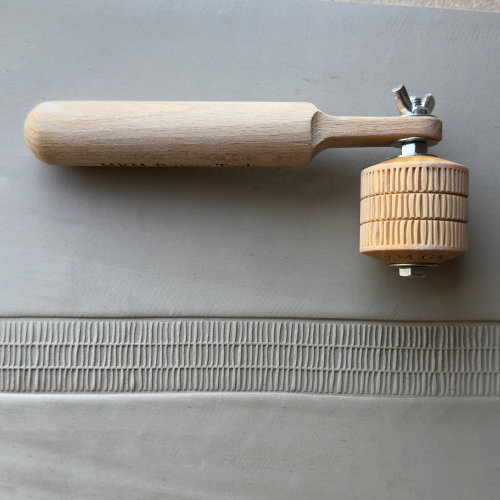
Layered Lines Medium Texture Wheel for Clay | GM-009
Price range: $14.95 through $25.00 Select options This product has multiple variants. The options may be chosen on the product page -

LHR-001 Long Hand Roller – Boogie Woogie
$29.95 Add to cart -

LHR-002 Long Hand Roller – Endless Orchid
$29.95 Add to cart -

LHR-003 Long Hand Roller – Big Woven
$29.95 Add to cart -

LHR-004 Long Hand Roller – Crazy Vine
$29.95 Add to cart -

LHR-005 Long Hand Roller – Scallop Shells
$29.95 Add to cart -

LHR-006 Long Hand Roller – Citrus Slices
$29.95 Add to cart -

LHR-007 Long Hand Roller – Asian Fans
$29.95 Add to cart -

LHR-008 Long Hand Roller – Pacific Waves Vertical
$29.95 Add to cart -

LHR-010 Long Hand Roller – Shells
$29.95 Add to cart -

LHR-011 Long Hand Roller- Horizontal Waves
$29.95 Add to cart -

LHR-012 Long Hand Roller – Lightning Bolt
$29.95 Add to cart -

LHR-013 Long Hand Roller – Feathers
$29.95 Add to cart -

LHR-014 Long Hand Roller – Tulips
$29.95 Add to cart -

LHR-015 Long Hand Roller – Fans
$29.95 Add to cart -

LHR-016 Long Hand Roller – Art Nouveau Leaf Pattern
$29.95 Add to cart -

LHR-017 Long Hand Roller – Wacky Weave
$29.95 Add to cart -

LHR-018 Long Hand Roller – Vertical Zigzag
$29.95 Add to cart -

LHR-019 Long Hand Roller – Horizontal Zigzag
$29.95 Add to cart -

LHR-020 Long Hand Roller – Maori Spirals
$29.95 Add to cart -

LHR-021 Long Hand Roller – Wave Flow
$29.95 Add to cart -

LHR-022 Long Hand Roller – Honeycomb
$29.95 Add to cart -

LHR-023 Long Hand Roller – Quilt Pattern
$29.95 Add to cart -

LHR-024 Long Hand Roller – Jungle Foliage
$29.95 Add to cart -

LHR-025 Long Hand Roller – Small Woven
$29.95 Add to cart -

LHR-026 Long Hand Roller – Horizontal Wave Flow
$29.95 Add to cart -

LHR-027 Long Hand Roller – Beautiful Symmetry
$29.95 Add to cart -

LHR-028 Long Hand Roller – Splash
$29.95 Add to cart -

LHR-029 Long Hand Roller – Rain Forest
$29.95 Add to cart -

LHR-030 Long Hand Roller – Starry Night
$29.95 Add to cart -

LHR-031 Long Hand Roller – Deco Fan
$29.95 Add to cart -

LHR-032 Long Hand Roller – Zigzag
$29.95 Add to cart -

LHR-033 Long Hand Roller – Sunflower
$29.95 Add to cart -

LHR-034 Long Hand Roller – Vertical Layered Lines
$29.95 Add to cart -

LHR-035 Long Hand Roller – Flowers and Leaves
$29.95 Add to cart -

LHR-036 Long Hand Roller – Evergreen Forest
$29.95 Add to cart -

LHR-037 Long Hand Roller – Sweater Knit Stitch
$29.95 Add to cart -

LHR-038 Long Hand Roller – Dots
$29.95 Add to cart -

LHR-039 Long Hand Roller – Sedimentary Layers
$29.95 Add to cart -

LHR-040 Long Hand Roller – Mountain Reflection
$29.95 Add to cart -

LHR-041 Long Hand Roller – Seed of Life
$29.95 Add to cart -

LHR-042 Long Hand Roller – Sunburst
$29.95 Add to cart -

LHR-043 Long Hand Roller – Floral Fun
$29.95 Add to cart -

LHR-044 Long Hand Roller – Layered Lines
$29.95 Add to cart -

LHR-045 Long Hand Roller – Lines
$29.95 Add to cart -

LHR-047 Long Hand Roller – Coneflowers
$29.95 Add to cart -
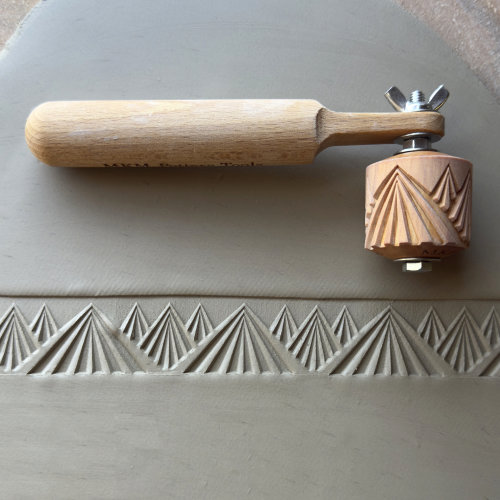
Mountain Landscape Medium Texture Wheel for Clay | GM-002
Price range: $14.95 through $25.00 Select options This product has multiple variants. The options may be chosen on the product page -

MRL-001 Mini Roller 1 cm – Footprints
$8.95 Add to cart -

MRL-002 Mini Roller 1 cm – Six Petaled Flower
$8.95 Add to cart -

MRL-003 Mini Roller 1 cm – Zebra Lines
$8.95 Add to cart -

MRL-004 Mini Roller 1 cm – Ginkgo Leaves
$8.95 Add to cart -

MRL-005 Mini Roller 1 cm – Basket Weave 1
$8.95 Add to cart -

MRL-006 Mini Roller 1 cm – Pebbles
$8.95 Add to cart -

MRL-007 Mini Roller 1 cm – Celtic Triangle
$8.95 Add to cart -

MRL-008 Mini Roller 1 cm – Daisy Flowers
$8.95 Add to cart -

MRL-009 Mini Roller 1 cm – Right Slanted Lines
$8.95 Add to cart -

MRL-010 Mini Roller 1 cm – Left Slanted Lines
$8.95 Add to cart -

MRL-011 Mini Roller 1 cm – Square Grid
$8.95 Add to cart -

MRL-012 Mini Roller 1 cm – Daisy Flowers
$8.95 Add to cart -

MRL-013 Mini Roller 1 cm – Single Rope
$8.95 Add to cart -

MRL-014 Mini Roller 1 cm – Spiral
$8.95 Add to cart -

MRL-015 Mini Roller 1 cm – Twisted Rope
$8.95 Add to cart -

MRL-016 Mini Roller 1 cm – Single Braid
$8.95 Add to cart -

MRL-017 Mini Roller 1 cm – Basket Weave 2
$8.95 Add to cart -

MRL-018 Mini Roller 1 cm – Feathered Lines
$8.95 Add to cart -

MRL-019 Mini Roller 1cm – Leafy Vine
$8.95 Add to cart -

MRL-020 Mini Roller 1 cm – Overlapping Squares
$8.95 Add to cart -

MRL-021 Mini Roller 1 cm – Parallel Lines
$8.95 Add to cart -

MRL-022 Mini Roller 1 cm – Wavy Lines
$8.95 Add to cart -

MRL-023 Mini Roller 1 cm – Zig Zag & Triangles
$8.95 Add to cart -

MRL-024 Mini Roller 1 cm – Zig Zags
$8.95 Add to cart -

MRL-025 Mini Roller 1 cm – Double Braid
$8.95 Add to cart -

MRL-026 Mini Roller 1 cm – Basket Weave 3
$8.95 Add to cart -

MRL-027 Mini Roller 1 cm – Tri Spiral
$8.95 Add to cart -

MRS-001 Mini Roller 0.5 cm – Footprints
$7.95 Add to cart -

MRS-002 Mini Roller 0.5 cm – 6 Petaled Flower
$7.95 Add to cart -

MRS-003 Mini Roller 0.5 cm – Zebra Stripes
$7.95 Add to cart -

MRS-004 Mini Roller 0.5 cm – Ginkgo Leaves
$7.95 Add to cart -

MRS-005 Mini Roller 0.5 cm – Basket Weave 1
$7.95 Add to cart -

MRS-006 Mini Roller 0.5 cm – Pebbles
$7.95 Add to cart -

MRS-007 Mini Roller 0.5 cm – Celtic Triangle
$7.95 Add to cart -

MRS-008 Mini Roller 0.5 cm – Debossed Flower Pattern
$7.95 Add to cart -

MRS-009 Mini Roller 0.5 cm – Right Slanted Lines
$7.95 Add to cart -

MRS-010 Mini Roller 0.5 cm – Left Slanted Lines
$7.95 Add to cart -

MRS-011 Mini Roller 0.5 cm – Square Grid
$7.95 Add to cart -

MRS-012 Mini Roller 0.5 cm – Daisy flowers
$7.95 Add to cart -

MRS-013 Mini Roller 0.5 cm – Single Rope
$7.95 Add to cart -

MRS-014 Mini Roller 0.5 cm – Spiral
$7.95 Add to cart -

MRS-015 Mini Roller 0.5 cm – Twisted Rope
$7.95 Add to cart -

MRS-016 Mini Roller 0.5 cm – Single Braid
$7.95 Add to cart -

MRS-017 Mini Roller 0.5 cm – Basketweave 2
$7.95 Add to cart -

MRS-018 Mini Roller 0.5 cm – Feathered Lines
$7.95 Add to cart -

MRS-019 Mini Roller 0.5 cm – Leafy Vines
$7.95 Add to cart -

MRS-020 Mini Roller 0.5 cm – Over-Lapping Squares
$7.95 Add to cart -

MRS-021 Mini Roller 0.5 cm – Parallel Lines
$7.95 Add to cart -

MRS-022 Mini Roller 0.5 cm – Wavy Lines
$7.95 Add to cart -

MRS-023 Mini Roller 0.5 cm – Zigzags and Triangles
$7.95 Add to cart -

MRS-024 Mini Roller 0.5 cm – Zigzags
$7.95 Add to cart -

MRX-001 Mini Roller 2 cm – Flower Vine
$9.95 Add to cart -

MRX-002 Mini Roller 2 cm – Flower Vine 2
$9.95 Add to cart -

MRX-003 Mini Roller 2 cm – Funky Floral
$9.95 Add to cart -

MRX-004 Mini Roller 2 cm – Big Braids
$9.95 Add to cart -

MRX-005 Mini Roller 2 cm – Sea Turtles
$9.95 Add to cart -

MRX-006 Mini Roller 2 cm – Deco Zigzag
$9.95 Add to cart -

MRX-007 Mini Roller 2 cm – Horizontal Fans
$9.95 Add to cart -

MRX-008 Mini Roller 2 cm – Vertical Fans
$9.95 Add to cart -

MRX-009 Mini Roller 2 cm – Pebbles
$9.95 Add to cart -

MRX-010 Mini Roller 2 cm – Rococo
$9.95 Add to cart -

MRX-011 Mini Roller 2 cm – Celtic 1
$9.95 Add to cart -

MRX-012 Mini Roller 2 cm – Celtic 2
$9.95 Add to cart -

MRX-013 Mini Roller 2 cm – Rope
$9.95 Add to cart -

MRX-014 Mini Roller 2 cm – Loose Braid
$9.95 Add to cart -

MRX-015 Mini Roller 2 cm – Double Helix
$9.95 Add to cart -

MRX-016 Mini Roller 2 cm – Ginkgo Leaves
$9.95 Add to cart -

MRX-017 Mini Roller 2 cm – Wavy
$9.95 Add to cart -

MRX-018 Mini Roller 2 cm – Waves
$9.95 Add to cart -

MRX-019 Mini Roller 2 cm – Deco Fun
$9.95 Add to cart -

MRX-020 Mini Roller 2 cm – Cracked
$9.95 Add to cart -
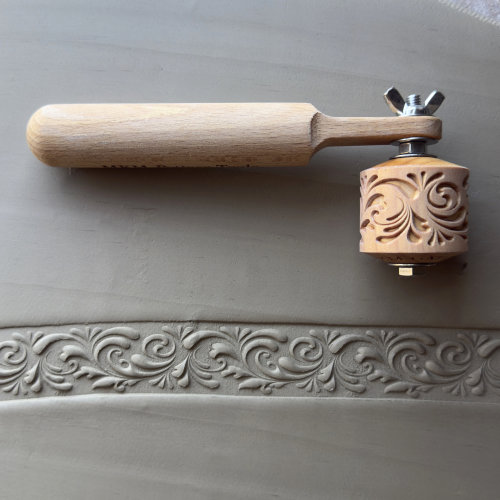
Nouveau Floral Medium Texture Wheel for Clay | GM-008
Price range: $14.95 through $25.00 Select options This product has multiple variants. The options may be chosen on the product page -
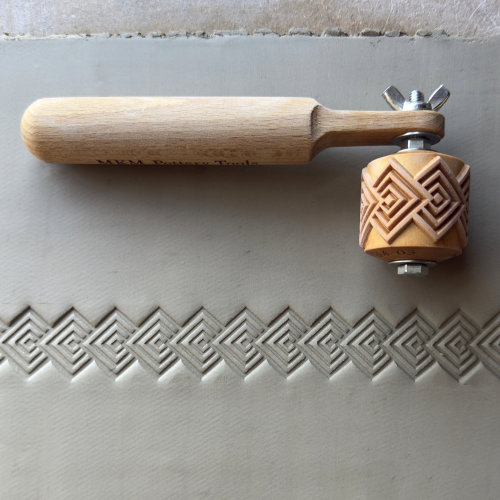
Overlapping Squares Medium Texture Wheel for Clay | GM-003
Price range: $14.95 through $25.00 Select options This product has multiple variants. The options may be chosen on the product page -

RH-1 Roller Handle
$12.95 Add to cart -

RH-2 Roller Handle
$10.95 Add to cart -
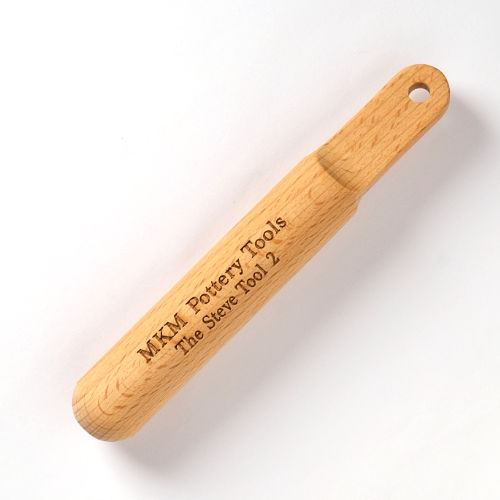
RH-3 Wheel Handle
$10.95 Add to cart -
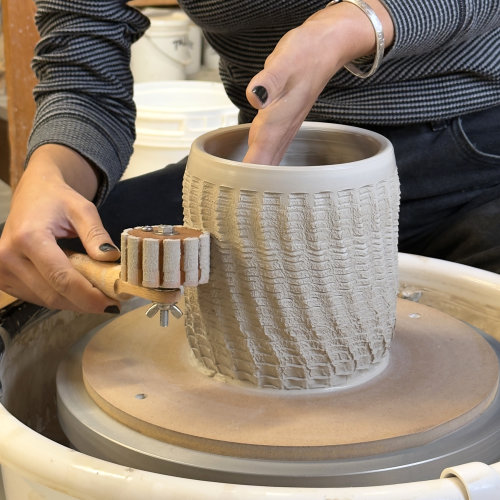
Rippled Waves Clay Texture Wheel Set | The Steve Tool 2 GG-05
Price range: $18.95 through $24.95 Select options This product has multiple variants. The options may be chosen on the product page -

RL-001 Large Handle Roller – Fine Zigzag
$17.95 Add to cart -

RL-002 Large Handle Roller – Wavy Lines
$17.95 Add to cart -

RL-003 Large Handle Roller – Big Braid
$17.95 Add to cart -

RL-004 Large Handle Roller – Basket Weave
$17.95 Add to cart -

RL-005 Large Handle Roller – Two Triangle Rows
$17.95 Add to cart -

RL-006 Large Handle Roller – Big Zigzag
$17.95 Add to cart -

RL-007 Large Handle Roller – Diamonds
$17.95 Add to cart -

RL-008 Large Handle Roller – Cobbles
$17.95 Add to cart -

RL-009 Large Handle Roller – Loose Weave
$17.95 Add to cart -

RL-010 Large Handle Roller – Rococo
$17.95 Add to cart -

RL-011 Large Handle Roller – Dancing
$17.95 Add to cart -

RL-012 Large Handle Roller – River Rapids
$17.95 Add to cart -

RL-013 Large Handle Roller – Funky Floral
$17.95 Add to cart -

RL-014 Large Handle Roller – Diagonal Waves
$17.95 Add to cart -

RL-015 Large Handle Roller – Cityscape
$17.95 Add to cart -

RL-016 Large Handle Roller – Slalom
$17.95 Add to cart -

RL-017 Large Handle Roller – Fans
$17.95 Add to cart -

RL-018 Large Handle Roller – Deco Zigzag
$17.95 Add to cart -

RL-019 Large Handle Roller – Birds on Wire
$17.95 Add to cart -

RL-020 Large Handle Roller – Cracked Glass
$17.95 Add to cart -

RL-021 Large Handle Roller – Wild Field
$17.95 Add to cart -

RL-022 Large Handle Roller – Maori Spirals 2
$17.95 Add to cart -

RL-023 Large Handle Roller – Maori Spirals
$17.95 Add to cart -

RL-024 Large Handle Roller – Cattails
$17.95 Add to cart -

RL-025 Large Handle Roller – Wave
$17.95 Add to cart -

RL-026 Large Handle Roller – Clematis
$17.95 Add to cart -

RL-027 Large Handle Roller – Mountain Landscape
$17.95 Add to cart -

RL-028 Large Handle Roller – Himalayan Mountains
$17.95 Add to cart -

RL-029 Large Handle Roller – Mountain Reflections
$17.95 Add to cart -

RL-030 Large Handle Roller – Deco Fan
$17.95 Add to cart -

RL-031 Large Handle Roller – Mountain Range
$17.95 Add to cart -

RL-032 Large Handle Roller – Mountain Forest
$17.95 Add to cart -

RL-033 Large Handle Roller – Overlapping Diamonds
$17.95 Add to cart -

RL-034 Large Handle Roller – Running Horses
$17.95 Add to cart -

RL-035 Large Handle Roller – Layered Lines
$17.95 Add to cart -

RL-036 Large Handle Roller – Flamingo
$17.95 Add to cart -

RL-039 Large Handle Roller – Cactus
$17.95 Add to cart -

RL-040 Large Handle Roller – Wild Flowers
$17.95 Add to cart -

RL-041 Large Handle Roller – Monstera
$17.95 Add to cart -

RL-042 Large Handle Roller – Prairie Flowers
$17.95 Add to cart -

RL-043 Large Handle Roller – Mushrooms
$17.95 Add to cart -

RL-044 Large Handle Roller – City Street
$17.95 Add to cart -

RL-045 Large Handle Roller – Reindeer Christmas
$17.95 Add to cart -

RL-046 Large Handle Roller – Joshua Tree
$17.95 Add to cart -

RL-047 Large Handle Roller – Ocean Wave
$17.95 Add to cart -

RL-048 Large Handle Roller – Coneflower Field
$17.95 Add to cart -

RL-049 Large Handle Roller – Birds in a Tree
$17.95 Add to cart -

RL-050 Large Handle Roller – Peacock Feathers
$17.95 Add to cart -

RL-051 Large Handle Roller – Rocky Mountain View
$17.95 Add to cart -

RL-052 Large Handle Roller – Mushroom Village
$17.95 Add to cart -

RL-053 Large Handle Roller – Enchanted Garden
$17.95 Add to cart -

RL-054 Large Handle Roller – Halloween
$17.95 Add to cart -

RL-055 Large Handle Roller – Spider Web
$17.95 Add to cart -

RL-056 Large Handle Roller – Wheat Field
$17.95 Add to cart -

RL-057 Large Handle Roller – Cornfield
$17.95 Add to cart -
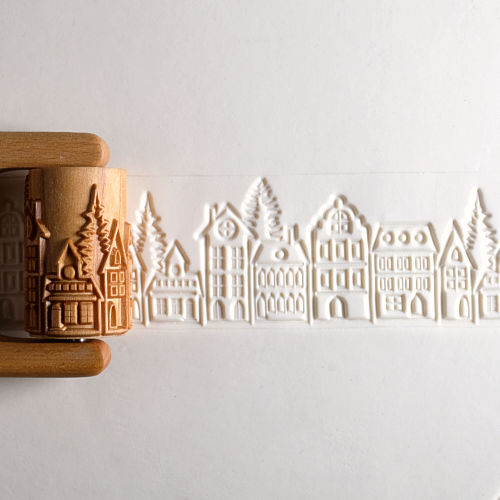
RL-058 Large Handle Roller – City Street Outline
$17.95 Add to cart -
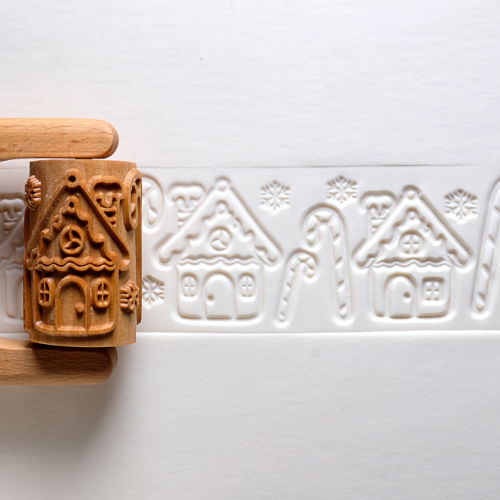
RL-059 Large Handle Roller – Winter Village
$17.95 Add to cart -

RL-102 Large Handle Roller – Small Bumps
$17.95 Add to cart -

RL-103 Large Handle Roller – Small Grooves
$17.95 Add to cart -

RL-104 Large Handle Roller – Slanted Grooves
$17.95 Add to cart -

RL-105 Large Handle Roller – Big Bumps
$17.95 Add to cart -

RL-106 Large Handle Roller – Big Grooves
$17.95 Add to cart -

RL-107 Large Handle Roller – Big V Grooves
$17.95 Add to cart -

RM-001 Medium Handle Roller – Square Spiral
$14.95 Add to cart -

RM-002 Medium Handle Roller – Braid
$14.95 Add to cart -

RM-003 Medium Handle Roller – 4 Zag
$14.95 Add to cart -

RM-004 Medium Handle Roller – Celtic Knot
$14.95 Add to cart -

RM-005 Medium Handle Roller – Spiral
$14.95 Add to cart -

RM-006 Medium Handle Roller – Fish
$14.95 Add to cart -

RM-007 Medium Handle Roller – Double Zag
$14.95 Add to cart -

RM-008 Medium Handle Roller – Basket Weave
$14.95 Add to cart -

RM-009 Medium Handle Roller – 4 Leaf Quilt Block
$14.95 Add to cart -

RM-010 Medium Handle Roller – 3 Dot Rows
$14.95 Add to cart -

RM-011 Medium Handle Roller – Vertical Lines
$14.95 Add to cart -

RM-012 Medium Handle Roller – Diagonal Up Right
$14.95 Add to cart -

RM-013 Medium Handle Roller – Grid
$14.95 Add to cart -

RM-014 Medium Handle Roller – Basket Weave 1
$14.95 Add to cart -

RM-015 Medium Handle Roller – Loose Zigzag
$14.95 Add to cart -

RM-016 Medium Handle Roller – Small Zigzag
$14.95 Add to cart -

RM-017 Medium Handle Roller – Wavy Lines
$14.95 Add to cart -

RM-018 Medium Handle Roller – Large Diagonal Zig Zag
$14.95 Add to cart -

RM-019 Medium Handle Roller – Plaited Bands
$14.95 Add to cart -

RM-021 Medium Handle Roller – Art Nouveau
$14.95 Add to cart -

RM-022 Medium Handle Roller – Honeycomb
$14.95 Add to cart -

RM-023 Medium Handle Roller – Medium Grid
$14.95 Add to cart -

RM-024 Medium Handle Roller – Wild Organic Abstract
$14.95 Add to cart -

RM-025 Medium Handle Roller – Curvy Zebra
$14.95 Add to cart -

RM-027 Medium Handle Roller – Ginkgo Leaves
$14.95 Add to cart -

RM-028 Medium Handle Roller – Tri Spirals
$14.95 Add to cart -

RM-029 Medium Handle Roller – Cavorting Dolphins
$14.95 Add to cart -

RM-030 Medium Handle Roller – Crowing Roosters
$14.95 Add to cart -

RM-031 Medium Handle Roller – Wild Horses
$14.95 Add to cart -

RM-032 Medium Handle Roller – Butterflies
$14.95 Add to cart -

RM-033 Medium Handle Roller – American Bison
$14.95 Add to cart -

RM-034 Medium Handle Roller – Diagonal Up Left
$14.95 Add to cart -

RM-035 Medium Handle Roller – Diagonal & Triangles
$14.95 Add to cart -

RM-036 Medium Handle Roller – Cobbles
$14.95 Add to cart -

RM-037 Medium Handle Roller – Two Ropes
$14.95 Add to cart -

RM-038 Medium Handle Roller – Wide Rope
$14.95 Add to cart -

RM-039 Medium Handle Roller – Double Helix
$14.95 Add to cart -

RM-040 Medium Handle Roller – Big Rope Narrow Strands
$14.95 Add to cart -

RM-041 Medium Handle Roller – Brick Work
$14.95 Add to cart -

RM-042 Medium Handle Roller – Loose Braid
$14.95 Add to cart -

RM-043 Medium Handle Roller – Flowers
$14.95 Add to cart -

RM-044 Medium Handle Roller – Basket Weave 2
$14.95 Add to cart -

RM-045 Medium Handle Roller – Fleur-de-lis
$14.95 Add to cart -

RM-046 Medium Handle Roller – Flowers & Leaves
$14.95 Add to cart -

RM-047 Medium Handle Roller – Deco Fans
$14.95 Add to cart -

RM-048 Medium Handle Roller – Celtic Border 1
$14.95 Add to cart -

RM-049 Medium Handle Roller – Celtic Border 2
$14.95 Add to cart -

RM-050 Medium Handle Roller – Deco Zigzag
$14.95 Add to cart -

RM-051 Medium Handle Roller – Nouveau Floral
$14.95 Add to cart -

RM-052 Medium Handle Roller – Overlapping Squares
$14.95 Add to cart -

RM-053 Medium Handle Roller – Mountain Landscape
$14.95 Add to cart -

RM-054 Medium Handle Roller – Flying Butterfly
$14.95 Add to cart -

RM-055 Medium Handle Roller – Fire
$14.95 Add to cart -

RM-056 Medium Handle Roller – Running Horses
$14.95 Add to cart -

RM-057 Medium Handle Roller – Slanted Crosshatch
$14.95 Add to cart -

RM-058 Medium Handle Roller – Layered Lines
$14.95 Add to cart -

RM-059 Medium Handle Roller – Flamingo
$14.95 Add to cart -

RM-060 Medium Handle Roller – Layered Zigzag
$14.95 Add to cart -

RM-061 Medium Handle Roller – Palm Trees
$14.95 Add to cart -

RM-062 Medium Handle Roller – Walking Elephants
$14.95 Add to cart -

RM-101 Medium Handle Roller – 4 Wide Parallel Grooves
$14.95 Add to cart -

RM-102 Medium Handle Roller – 6 Wide Parallel Grooves
$14.95 Add to cart -

Roller Board
$19.95 Add to cart -

RS-001 Small Handle Roller – Basket Weave
$11.95 Add to cart -

RS-002 Small Handle Roller – Braid
$11.95 Add to cart -

RS-003 Small Handle Roller – Single Zigzag
$11.95 Add to cart -

RS-004 Small Handle Roller – 4 Zigzag
$11.95 Add to cart -

RS-005 Small Handle Roller – Seashells
$11.95 Add to cart -

RS-006 Small Handle Roller – Celtic Triangle
$11.95 Add to cart -

RS-007 Small Handle Roller – Debossed Dots
$11.95 Add to cart -

RS-008 Small Handle Roller – 3 Zigzag
$11.95 Add to cart -

RS-009 Small Handle Roller – Footprints
$11.95 Add to cart -

RS-010 Small Handle Roller – Embossed Dots
$11.95 Add to cart -

RS-011 Small Handle Roller – Tropical Fish
$11.95 Add to cart -

RS-012 Small Handle Roller – Hearts
$11.95 Add to cart -

RS-013 Small Handle Roller – Celtic Knot
$11.95 Add to cart -

RS-014 Small Handle Roller – Double Triangle
$11.95 Add to cart -

RS-015 Small Handle Roller – Wavy Lines
$11.95 Add to cart -

RS-016 Small Handle Roller – Basket Weave
$11.95 Add to cart -

RS-017 Small Handle Roller – Rope Coil
$11.95 Add to cart -

RS-018 Small Handle Roller – Double Rope
$11.95 Add to cart -

RS-019 Small Handle Roller – Twining Strands
$11.95 Add to cart -

RS-020 Small Handle Roller – Narrow Rope Twining
$11.95 Add to cart -

RS-021 Small Handle Roller – Diagonal Up Left
$11.95 Add to cart -

RS-022 Small Handle Roller – Diagonal Up Right
$11.95 Add to cart -

RS-023 Small Handle Roller – Wide Grid
$11.95 Add to cart -

RS-024 Small Handle Roller – Embossed Flowers
$11.95 Add to cart -

RS-025 Small Handle Roller – Zigzag and Triangles
$11.95 Add to cart -

RS-026 Small Handle Roller – Leafy Vine
$11.95 Add to cart -

RS-027 Small Handle Roller – Fleur-de-lis
$11.95 Add to cart -

RS-028 Small Handle Roller – Ginkgo Leaves
$11.95 Add to cart -

RS-029 Small Handle Roller – Dog Prints
$11.95 Add to cart -

RS-030 Small Handle Roller – Geometric Design 1
$11.95 Add to cart -

RS-031 Small Handle Roller – Geometric Design 2
$11.95 Add to cart -

RS-032 Small Handle Roller – Flowers and Vines
$11.95 Add to cart -

RS-033 Small Handle Roller – Cobbles
$11.95 Add to cart -

RS-034 Small Handle Roller – Boot Tracks
$11.95 Add to cart -
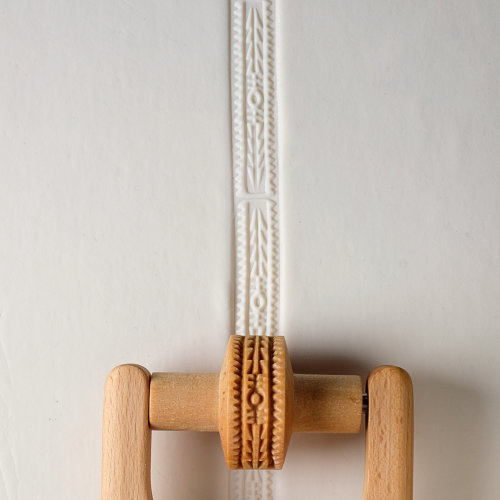
RS-035 Small Handle Roller – Aztec Spear
$11.95 Add to cart -
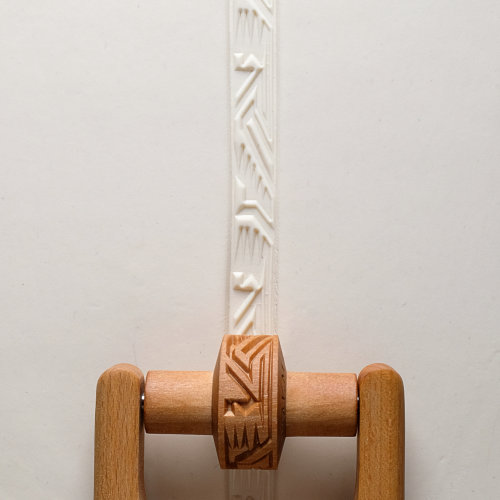
RS-036 Small Handle Roller – Southwestern Border
$11.95 Add to cart -
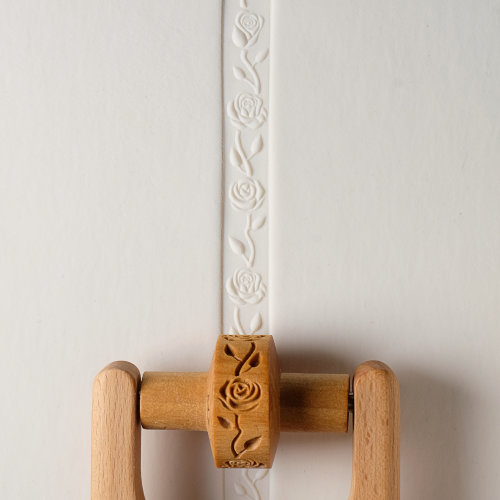
RS-037 Small Handle Roller – Climbing Roses
Read more -

RS-101 Small Handle Roller – Single Groove
$11.95 Add to cart -

RS-103 Small Handle Roller – Six Small Grooves
$11.95 Add to cart -
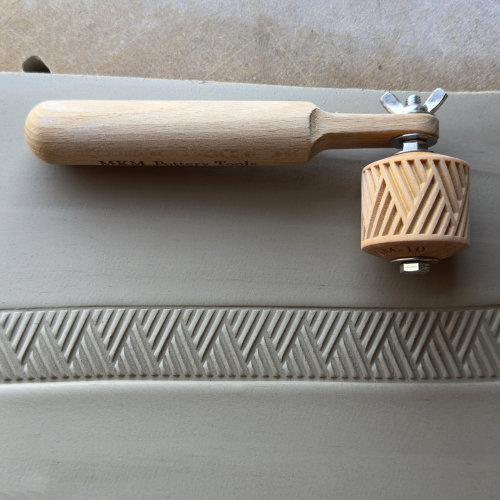
Slanted Crosshatch Medium Texture Wheel for Clay | GM-010
Price range: $14.95 through $25.00 Select options This product has multiple variants. The options may be chosen on the product page -

TC-01 Tool Holder
$24.95 Add to cart -

The Steve Tool
$24.95 Add to cart -
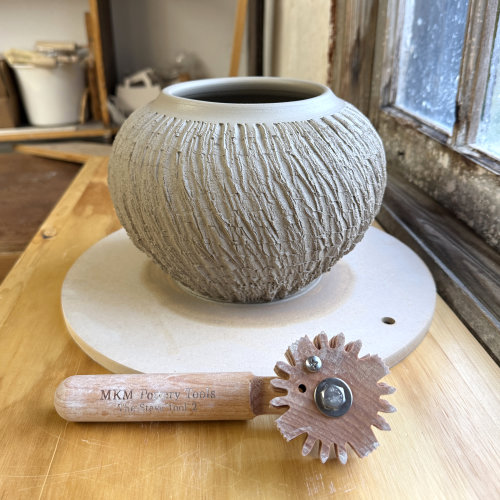
Tree Bark Clay Texture Wheel Set | The Steve Tool 2 GG-02
Price range: $18.95 through $24.95 Select options This product has multiple variants. The options may be chosen on the product page -

TW-001 Twig Roller – Sea of Japan
$12.95 Add to cart -

TW-002 Twig Roller – Curlicue
$12.95 Add to cart -

TW-003 Twig Roller – Winter Frost
$12.95 Add to cart -

TW-004 Twig Roller – Dragonflies
$12.95 Add to cart -

TW-005 Twig Roller – Dance
$12.95 Add to cart -

TW-006 Twig Roller – Leaves In The Wind
$12.95 Add to cart -

TW-007 Twig Roller – Wishbone Weave
$12.95 Add to cart -

TW-008 Twig Roller – Lines and Dots
$12.95 Add to cart -

TW-009 Twig Roller – Daisy Branch
$12.95 Add to cart -

TW-010 Twig Roller – Fern Leaves 1
$12.95 Add to cart -

TW-011 Twig Roller – Basket Weave
$12.95 Add to cart -

TW-012 Twig Roller – Vines and Flowers
$12.95 Add to cart -

TW-013 Twig Roller – Fern Leaves
$12.95 Add to cart -

TW-014 Twig Roller – Wild
$12.95 Add to cart -

TW-015 Twig Roller – Pebbles
$12.95 Add to cart -

TW-016 Twig Roller – Topographic
$12.95 Add to cart -

TW-017 Twig Texture Roller – Curly Vine
$12.95 Add to cart -

TW-018 Twig Texture Roller – Feather
$12.95 Add to cart -

TW-019 Twig Texture Roller – Tri Leaf
$12.95 Add to cart -

TW-020 Twig Texture Roller – Nouveau Fan
$12.95 Add to cart -

TW-021 Twig Texture Roller – Chinese Window
$12.95 Add to cart -

TW-022 Twig Texture Roller – Flower
$12.95 Add to cart -

TW-023 Twig Texture Roller – Leaf Pattern
$12.95 Add to cart -

TW-024 Twig Texture Roller – Honeycomb
$12.95 Add to cart -

TW-025 Twig Texture Roller – Deco Fan
$12.95 Add to cart -

TW-026 Twig Texture Roller – Japanese Fan
$12.95 Add to cart -

TW-027 Twig Texture Roller – Floral Fun
$12.95 Add to cart -

TW-028 Twig Texture Roller – Beautiful Symmetry
$12.95 Add to cart -

TW-029 Twig Texture Roller – River Rapids
$12.95 Add to cart -

TW-030 Twig Texture Roller – Paw Prints
$12.95 Add to cart -

TW-031 Twig Texture Roller – Mountain Reflection
$12.95 Add to cart -

TW-032 Twig Texture Roller – Knit Stitch
$12.95 Add to cart -

TW-033 Twig Texture Roller – Winter Woods
$12.95 Add to cart -

TW-034 Twig Texture Roller – Circuit Board
$12.95 Add to cart -

TW-035 Twig Texture Roller – Cobblestone
$12.95 Add to cart -

TW-036 Twig Texture Roller – Splash
$12.95 Add to cart -

TW-037 Twig Texture Roller – Diamond
$12.95 Add to cart -

TW-038 Twig Texture Roller – Lotus Buds
$12.95 Add to cart -

TW-039 Twig Texture Roller – Shooting Stars
$12.95 Add to cart -

TW-040 Twig Texture Roller – Spiral Vines
$12.95 Add to cart -

TW-041 Twig Texture Roller – Horizontal Lines
$12.95 Add to cart -

TW-042 Twig Texture Roller – Vertical Lines
$12.95 Add to cart -

TW-043 Twig Texture Roller – Daisy
$12.95 Add to cart -

TW-044 Twig Texture Roller – Plum Blossoms
$12.95 Add to cart -

TW-045 Twig Texture Roller – Dots
$12.95 Add to cart -

TW-046 Twig Texture Roller – Dots in a Row
$12.95 Add to cart -

TW-047 Twig Texture Roller – Squares
$12.95 Add to cart -

TW-048 Twig Texture Roller – Waffle
$12.95 Add to cart -

TW-049 Twig Texture Roller – Mountain Forest
$12.95 Add to cart -
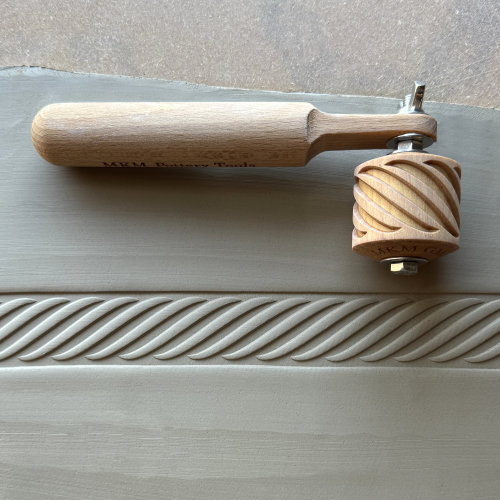
Twining Rope Medium Texture Wheel for Clay | GM-004
Price range: $14.95 through $25.00 Select options This product has multiple variants. The options may be chosen on the product page -
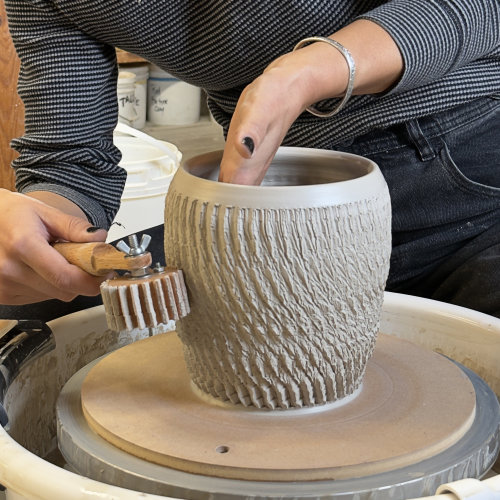
Windswept Clay Texture Wheel Set | The Steve Tool 2 GG-04
Price range: $18.95 through $24.95 Select options This product has multiple variants. The options may be chosen on the product page